

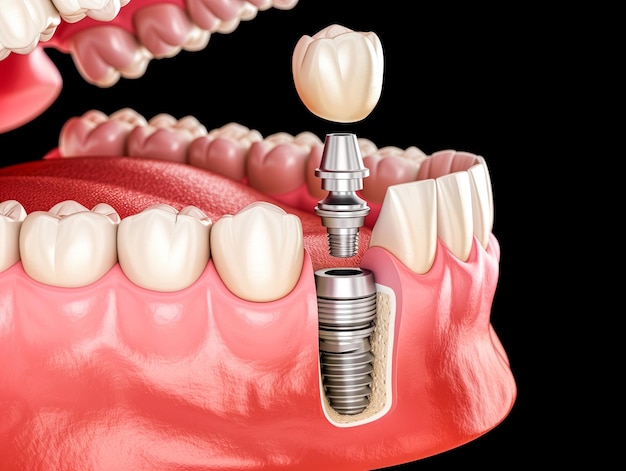
Can You Get a Dental Implant Years After Losing a Tooth?
Yes, you may be able to get a dental implant years after losing a tooth. The time that has passed does not automatically prevent treatment; however, your jawbone, gums, and overall oral health need to be checked first. A dentist in Surrey can examine the area and help determine whether an implant is a suitable option. With dental implants, the goal is to replace the missing tooth with a stable replacement that supports chewing and helps maintain your smile. Even if the tooth has been missing for many years, an assessment can help identify the next steps and whether additional treatment may be needed.
Can You Get a Dental Implant Years After Tooth Loss?
Yes, getting an implant long after tooth loss may still be possible. There is no single time limit that applies to everyone. Some people may be ready for treatment, while others may need extra care before an implant can be placed.
When you lose a tooth, the jawbone in that area gets less pressure from chewing. Over time, the bone may shrink or become thinner. This can make it harder to place a dental implant, but it does not always mean you cannot get one.
How Can Long-Term Tooth Loss Affect Your Mouth?
Leaving a gap for several years can affect more than the appearance of your smile. The changes depend on the location of the missing tooth, your bite, and your oral health.
Possible effects include:
- Bone loss: The jawbone around the missing tooth may slowly shrink because the tooth root is no longer there.
- Shifting teeth: Nearby teeth may move into the space, changing how your teeth fit together.
- Changes in chewing: You may rely more on the other side of your mouth when eating.
- Bite changes: Teeth in the opposite jaw may move into the gap in some cases.
These changes do not happen at the same rate for everyone. A dental examination can help show how tooth loss has affected the area.
What Determines Whether You Can Get an Implant?
Being without a tooth for years does not automatically make you unsuitable for an implant. Your dentist will assess several factors before recommending treatment.
- Jawbone health: You need enough strong bone to hold the implant. If the bone is too thin or weak, a bone graft may help.
- Gum health: Healthy gums help the area heal. If you have gum disease, it may need treatment before getting an implant.
- Overall health: Some health problems and medicines can affect healing and your treatment plan.
- Smoking habits: Smoking can slow healing and increase the risk of implant problems.
- Bite and nearby teeth: The position of other teeth and the way your jaws meet can affect implant placement.
A dentist near you can review these factors and explain which options may suit your needs. Not everyone will qualify for an implant, and the safest plan depends on an individual assessment.
What If You Have Lost Jawbone?
Bone loss does not always mean you cannot get dental implants in Surrey. Your dentist may suggest a bone graft to add support to your jaw. This treatment helps build up the bone but may need extra healing time before the implant can be placed.
The need for a graft depends on the amount and location of the available bone. Dental X-rays or a 3D scan may be used to assess the area and plan treatment. Your dentist will explain whether grafting is appropriate or whether another tooth replacement option may be more suitable.
What Happens Before Implant Treatment?
Before treatment, the dentist will usually:
- Check your mouth: Look at your gums, other teeth, and how your teeth fit together.
- Take dental images: Use X-rays or other scans to check your jawbone and nearby areas.
- Discuss your options: Explain whether an implant, bone graft, or another replacement may be suitable.
- Plan the treatment: Outline the steps, expected healing time, costs, and follow-up care.
Explore Your Tooth Replacement Options!
A missing tooth does not have to mean that implant treatment is no longer possible. The right choice depends on your jawbone, gum health, and overall dental needs. If you are considering dental implants in Surrey, Gentle Care Dental Centre can assess your oral health and discuss suitable options. Arrange a consultation to understand the treatment process, whether additional care may be needed, and how you can work towards restoring your smile.
FAQs
Is it too late to get an implant after 10 years?
Not necessarily. You may still qualify, but the amount of available jawbone and the health of your gums will affect your treatment options.
Does a missing tooth always cause bone loss?
Bone loss is common after a tooth is removed because the area no longer supports a tooth root. The amount varies from person to person.
Can an implant be placed if the jawbone has shrunk?
Possibly. A bone graft may help create enough support, depending on the amount of bone available and the location of the missing tooth.
Will getting an implant years later take longer?
It may. If you need gum treatment, a bone graft, or other preparation, the process can take longer than implant treatment in an area with enough healthy bone.