

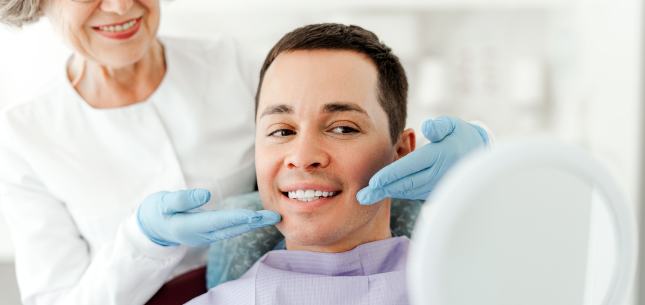
A professional dental cleaning is often a helpful first step before whitening your teeth. Cleaning before teeth whitening removes hardened deposits, plaque, and some surface stains that can hide your teeth’s natural colour. It also gives the dental team a chance to check your teeth and gums to make sure they are ready for treatment. Starting with clean, healthy teeth helps create a better foundation for your whitening plan.
Teeth whitening makes natural teeth look lighter, but it does not remove tartar or replace a professional cleaning. If tartar covers parts of your teeth, the colour may look uneven after whitening. A dental checkup can also find cavities, sore gums, or other problems that may need treatment before whitening. This helps your dentist decide when it is best to start whitening your teeth.
Why Get a Cleaning Before Teeth Whitening?
Professional dental cleaning removes plaque and tartar that brushing cannot remove completely. It cleans your teeth before whitening and helps the dentist check your teeth more clearly.
A cleaning may help by:
- Removing plaque and tartar from the teeth.
- Clearing some surface stains caused by coffee, tea, or certain foods.
- Helping the dentist check the health of your gums.
- Making it easier to see your teeth’s natural shade before whitening.
- Identifying problems that should be treated before a cosmetic procedure.
A cleaning does not whiten teeth in the same way as a whitening treatment. It removes buildup and some surface stains, while whitening products use bleaching ingredients to lighten the colour of natural teeth.
When Should You Whiten After a Dental Cleaning?
The right time depends on the health of your teeth and gums and whether they feel sore after cleaning. Some people can have their teeth whitened soon after cleaning, while others may need to wait until the soreness or sensitivity goes away.
Zoom teeth whitening in Surrey may be suitable for people who want a professional whitening treatment after their teeth and gums have been checked. The dental team can recommend the right timing based on your cleaning, sensitivity, and overall oral health.
If your cleaning causes temporary gum tenderness or tooth sensitivity, let the dentist know before whitening. Waiting until your mouth feels comfortable may help make treatment easier to tolerate.
How Do Tartar and Whitening Results Connect?
Tartar is a hard buildup that sticks to your teeth. You cannot fully remove it with brushing. A dentist or hygienist needs to clean it off. Teeth whitening products do not remove tartar, so whitening your teeth will not fix the problem.
This is why tartar and whitening results are closely linked. If tartar or heavy surface deposits remain, the tooth colour may look uneven. A cleaning helps remove these deposits so the dentist can assess the natural tooth shade and plan treatment more clearly.
Can Cleaning Help Prevent Uneven Whitening Spots?
Yes, cleaning may help reduce the chance that surface buildup affects the appearance of whitening. However, it cannot prevent every type of uneven result.
Uneven whitening spots can happen for several reasons, including:
- Different natural shades across the teeth.
- White or brown spots are caused by changes in the enamel.
- Existing fillings, crowns, or veneers that do not change colour with whitening products.
- Tooth stains that respond differently to bleaching.
- Areas of enamel that need a dental assessment before treatment.
If spots remain after cleaning, the dentist can check what is causing them and explain whether whitening is likely to help. Not every mark is a surface stain.
How to Prep for Zoom Whitening
Proper preparation can help make your whitening visit more comfortable and support a satisfactory result.
Before treatment:
- Schedule a dental checkup to check for cavities and gum problems.
- Complete a professional cleaning if recommended.
- Tell the dentist about tooth sensitivity or discomfort.
- Share information about crowns, veneers, fillings, and previous whitening treatments.
- Follow the instructions provided before your appointment.
If you are considering Zoom teeth whitening in Surrey, ask whether your teeth and gums are ready for treatment and what level of whitening may be realistic.
Who Should Check With a Dentist Before Whitening?
Teeth whitening may need to wait until some dental problems are treated. Cavities, gum disease, cracked teeth, or very sensitive teeth can make whitening painful or require a different treatment plan.
A dentist in Surrey can examine your teeth and gums and help decide whether cleaning, other dental care, or whitening should come first. This check is especially important if you have ongoing pain or bleeding gums.
A dentist near you can also explain that whitening changes the colour of natural teeth but does not lighten crowns, veneers, or fillings. This matters if you have visible dental restorations and want your smile to look even.
Get Your Smile Ready for Whitening!
A brighter smile starts with healthy teeth and gums. Contact Gentle Care Dental to arrange an appointment, discuss your smile goals, and learn whether a professional cleaning should come before whitening. The right plan can help you prepare comfortably and understand what results are realistic for your teeth.
FAQs
Does teeth whitening work better after a cleaning?
A dental cleaning removes plaque, tartar, and some stains on your teeth. This helps the dentist see your natural tooth colour. However, cleaning does not guarantee a certain whitening result.
Can you whiten your teeth on the same day as a cleaning?
Yes, sometimes you can. It depends on the health of your gums, tooth sensitivity, and your treatment plan. Your dentist can tell you if it is safe to whiten your teeth on the same day.
Can a dental cleaning make your teeth look whiter?
Yes. A dental cleaning can make your teeth look cleaner and brighter by removing stains and buildup. However, it does not change the natural colour of your teeth, unlike a whitening treatment.
Will whitening remove tartar?
No. Tartar needs to be removed with professional dental cleaning. Whitening products are designed to lighten natural tooth colour, not remove hardened deposits.